Home Security:
Cracks in Home Defense
By understanding common "cracks" in home defense, you can better fortify your home. You'll be more secure by following the guidance on this page.
Guard ALL Your Keys & Copies
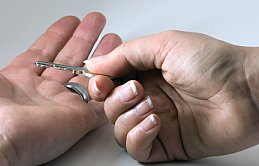
► Have a locksmith re-key the door locks (reset the tumblers) when you first move into a home. You never know who the previous owner gave a spare to.
► Never put ID tags on keys hoping some kind soul will return lost keys to you – the finder may not be a kind soul.
► Don't hang keys on hooks in plain view inside your home – any visitor can steal them.
► Treat your keys like gold. Clever criminals can quickly make copies. Don't leave keys with strangers.
► Give mechanics and parking valets your car keys only, never your house keys.
5 Places You Should Never Hide Your Spare Key—and Where to Put It Instead
Almost everyone knows the common “secret” hiding spots for keys, such as under the doormat or on top of the door-frame. Get a Keyless Fingerprint or Touch-pad deadbolt lock (see Lock Bumping). Tell a visitor or repairman the secret code to allow temporary access, then change the code afterward.
And know that females commit ~20% of violent crimes (per the FBI). Some may seem friendly (at first), commit crimes alone, or in groups, or help male partners. So evaluate ALL strangers by their behavior and red flags.
Safe Selling & Online Safety
Sellers invite strangers into their homes to inspect items for sale. Buyers take cash to lonely places. That makes it SO easy for criminals.
Inviting someone from a "Want-Ad" or Craigslist into your home requires a strategy.
► The "Neutral Zone": Whenever possible, meet buyers at a local police station parking lot's "Safe Exchange Zone" - or, better yet, inside the police station's lobby (then wait to leave separately).
► The Buddy System: If a buyer must come to your home, ensure a friend is nearby – but not too near (so they can always get away to call the police).
► Be mindful of what your social media or public notices (like wedding or travel announcements) say about when your home might be vulnerable.
Hired Help
Inviting service providers into your home is a matter of trust. Verify that trust before they arrive.
► Don't Assume: Even large agencies may skip deep background checks. Ask specifically about their screening process.
► Keep "Shiny Things" Secret: Before cleaners or contractors arrive, tuck away jewelry, small electronics, and mail.
► The Post-Work Walkthrough: Once a worker leaves, do a quick lap of your home. Ensure no windows were "accidentally" left unlatched or alarm was "adjusted."
Thoroughly check out baby-sitters, nannies, gardeners, cleaners, AND their helpers - in short, anyone you allow into your home. Criminals often apply for domestic jobs to avoid scrutiny. Check references with local police at his/her past addresses. Check a moving company's references with the Better Business Bureau (though most moving companies do NOT screen their employees). See Child Safety - Safeguarding for babysitter screening.
Pages related to Home Security - Cracks
FamilyWatchdog.us shows the registered sex offenders living in your area.
How Neighborhood Watch Helps Communities Stay Safe
Criminals like to prowl where the targets least expect them. Protect your home security even if you live in Sleepy Valley.
Make sure all your family members use these home defense strategies - a chain is no stronger than its weakest link. The most cautious targets will likely be spared.
NOTICE: This non-profit website is for informational purposes only and is drawn from the bibliography and USDOJ. Use the information at your own risk. See disclaimers.